Imagine a world where your car isn’t just a vehicle — it’s a status symbol, a work of art, and a time machine all rolled into one. Welcome to the world of BMW.
Ready to discover how those three little letters came to mean so much more than just Bayerische Motoren Werke? Let’s hit the road and find out why BMWs aren’t just driven — they’re experienced.
Remember this?
A distinguished gentleman, silver-haired and impeccably dressed, slides behind the wheel of a sleek, powerful car. The engine purrs to life, and as he pulls out of his driveway, we catch a glimpse of his face — it’s the retired CEO of Mercedes-Benz, Dieter Zetsche. And the car he’s driving?
A BMW.
This iconic advertisement, aired by BMW, speaks volumes about the brand’s audacious spirit and the reverence it commands, even from its fiercest competitors. But how did a company that started out making airplane engines become the ultimate symbol of automotive excellence and cultural cool? Let’s take a joyride through BMW’s fascinating journey.
Propellers to Prestige: BMW’s Audacious Ride
Our story kicks off in 1916, smack in the middle of World War I. Bayerische Motoren Werke (that’s BMW for us mere mortals) burst onto the scene, not with cars, but with airplane engines.
But here’s where it gets interesting. When post-war restrictions grounded their aviation dreams, did BMW throw in the towel? Nah, they did what any self-respecting innovator would do — they pivoted. First to motorcycles in the ’20s, then to automobiles in the ‘30s.
The Birth of “The Ultimate Driving Machine
Now, let’s fast forward a bit. By the 1970s, BMW had already established itself as a maker of quality cars. But they weren’t content with just being good. They wanted to be the best.
Enter the tagline that would define a generation: “The Ultimate Driving Machine.”
This wasn’t just some catchy phrase cooked up by ad execs. It was a promise, a philosophy, a way of life. BMW wasn’t just selling cars; they were selling an experience.
Every curve of the body, every stitch in the leather, every purr of the engine was meticulously crafted to deliver not just transportation, but joy.
So, what’s the secret behind BMW’s enduring appeal? It’s simple, really. They refuse to compromise. These folks mix precision engineering with artistic flair like they’re whipping up a gourmet meal.
The result? Cars that perform like athletes and look like supermodels.
Take the iconic kidney grilles, for instance. They’re not just air intakes; they’re the face of BMW, instantly recognizable whether you’re a car buff or not.
Or consider the perfect 50/50 weight distribution that makes BMWs handle curves like a dream. This isn’t just car-building; it’s engineering poetry.
From Driving Machines to Cultural Icons
But BMW’s excellence isn’t confined to the garage or the racetrack. Over the decades, these beautiful machines have woven themselves into the very fabric of pop culture.
From James Bond’s slick rides to countless music videos, BMWs have become shorthand for success, style, and sophistication.
Want proof? Just listen to how people talk. When someone says, “That’s the BMW of [insert literally anything],” they mean it’s the best of the best.
Take their foray into electric vehicles. The BMW i series isn’t just about slapping batteries into existing models. It’s about reimagining what a car can be in a world increasingly concerned with sustainability.
But true to form, BMW isn’t sacrificing an ounce of performance or style in the process. They’re proving that you can save the planet and look damn good doing it.
The Art of Brand Building: BMW’s Master Class in Marketing
Now, let’s talk about the real magic behind BMW’s success — their brand building. It’s one thing to make great cars, but it’s another to make people dream about them. BMW didn’t just master engineering; they mastered the art of desire.
Consistency is King, But Innovation Rules
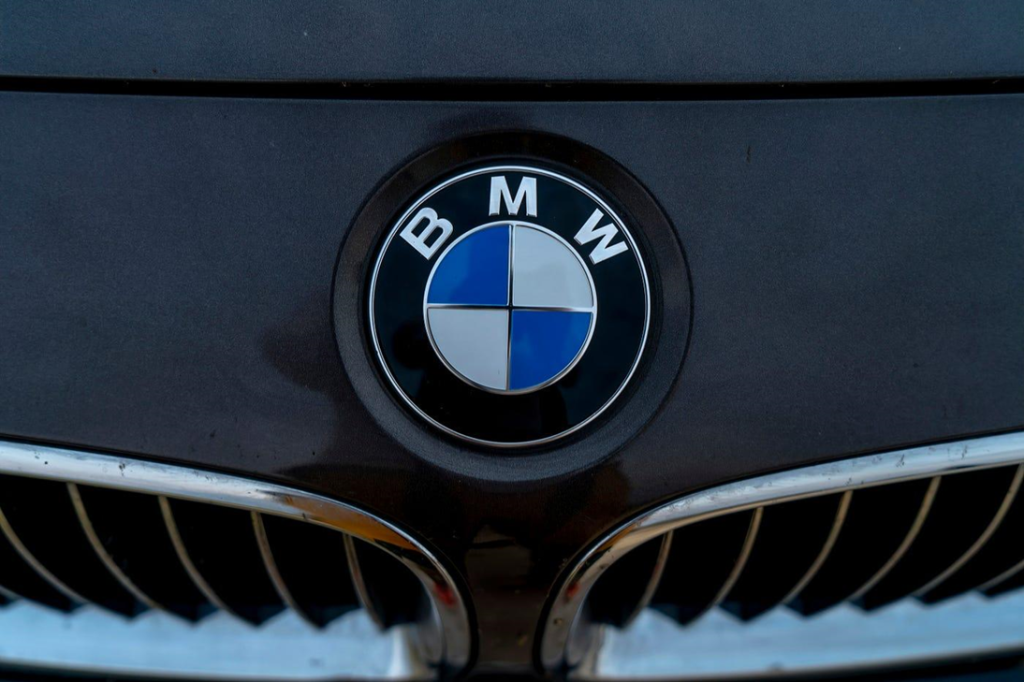
From day one, BMW has been relentlessly consistent. That blue and white roundel? It’s barely changed since 1917. This consistency builds trust and recognition. But here’s the kicker — while staying true to their core identity, BMW has never shied away from innovation in their marketing.
Take the “BMW Films” series from the early 2000s. Instead of traditional commercials, BMW produced a series of short films directed by renowned filmmakers like Ang Lee and Guy Ritchie, starring Clive Owen as “The Driver.” These weren’t just ads; they were cinematic experiences that showcased BMW’s vehicles in thrilling narratives. The result? Millions of views, countless awards, and a reinforced image of BMW as a brand synonymous with excitement and sophistication.
Emotional Branding: It’s Not About the Car, It’s About the Feeling
BMW figured out early on that people don’t buy cars — they buy feelings. Their advertising rarely dwells on horsepower or fuel efficiency. Instead, they sell the thrill of the open road, the prestige of success, the joy of precision engineering.
Remember the “Joy” campaign from 2009? It wasn’t about the technical specs of their latest model. It was about the pure, unadulterated joy of driving. The campaign featured people from all walks of life, their faces lit up with smiles as they experienced the thrill of a BMW. It wasn’t selling a product; it was selling an emotion.
Know Your Audience, Then Exceed Their Expectations
BMW has a knack for understanding its diverse audience. They know that the tech-savvy millennial in Silicon Valley has different needs and aspirations than the seasoned executive in New York. But here’s where BMW excels — they don’t just meet these diverse needs; they exceed them.
For the tech enthusiast, BMW showcases its cutting-edge infotainment systems and driver assistance features. For the performance junkie, there’s the M series, pushing the boundaries of what’s possible on four wheels. For the eco-conscious luxury lover, the i series proves that sustainability and style can go hand in hand.
Take the launch of the BMW i8, for instance. This wasn’t just a new car; it was a statement. BMW partnered with cutting-edge artists and tech innovators to create immersive experiences that showcased the i8 not just as a vehicle, but as a piece of future technology you could drive today.
https://youtu.be/-8UPg6hyDBg
The Ultimate Legacy
So, what’s the takeaway from BMW’s century-long joyride?
It’s simple: excellence never goes out of style. From their early days making airplane engines to their current status as a global automotive powerhouse, BMW has remained committed to one thing — being the best.
Their recent “The Ultimate AI Masterpiece” campaign used artificial intelligence to create art inspired by 50 years of BMW cultural collaborations. It’s a brilliant nod to their artistic heritage while showcasing their commitment to cutting-edge technology.
From crafting airplane engines in 1916 to pioneering electric vehicles and AI art in 2023, BMW’s journey is a testament to the power of consistent innovation, emotional connection, and unwavering commitment to excellence.
So the next time you see that blue and white roundel, whether it’s on a vintage 2002 or the latest electric i4, remember: you’re not just looking at a car. You’re looking at a century of passion, innovation, and a relentless drive to be the ultimate driving machine.